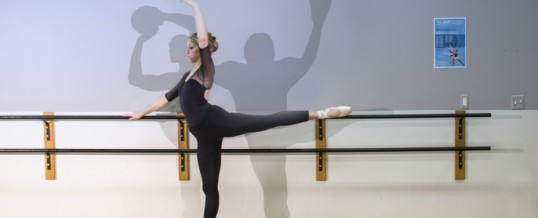
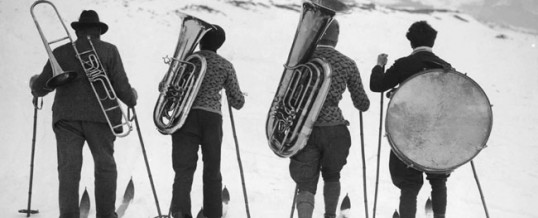
Integrating the science of sport and the performing arts for the mutual benefit of both. Athletes and the Arts is an initiative focused on linking the sport athlete and musician/performing artist communities through collaborative exchange and application of wellness, training and performance research and initiatives.
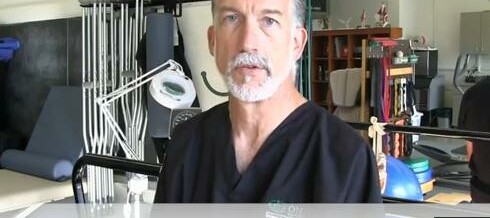
View Permalink ShareWATCH this video and decide for yourself (click the image to open and play the video)
“Athletes and the Arts – The Role of Sports Medicine in the Performing Arts”
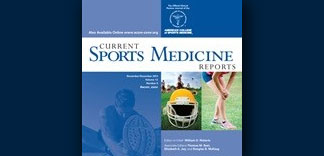
Dick, Randall W. MS, FACSM; Berning, Jacqueline R. PhD, RD, CSSD; Dawson, William MD, BS, FAAOS; Ginsburg, Richard D. PhD; Miller, Clay MD, MFA, PMR; Shybut, George T. MD
Published in Current Sports Medicine Reports, November/December 2013, Volume 12, Issue 6, p. 397-403.
Abstract
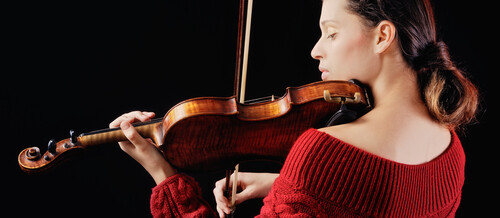
Performing artists are athletes. Like athletes, performing artists practice and/or perform most days with little off season, play through pain, “compete” in …
From the abstract “Preventing dance injuries: current perspectives” by Dr. Jeffrey A. Russell of Ohio University:
“Dancers are clearly athletes in the degree to which sophisticated physical capacities are required to perform at a high level. The standard complement of athletic attributes – muscular strength and endurance, anaerobic and aerobic energy utilization, speed, agility, coordination, motor control, and psychological readiness – all are essential to dance performance. In dance, as in any athletic activity, injuries are prevalent. This paper presents …
Performance anxiety, commonly referred to as “stage fright” in performing arts contexts, is a distressing and disabling condition that affects performers of all ages. At least half of all performing artists, regardless of age, gender, and talent or experience level, report problems associated with performance anxiety.
Download a one-page fact sheet (PDF) on Performance Anxiety.
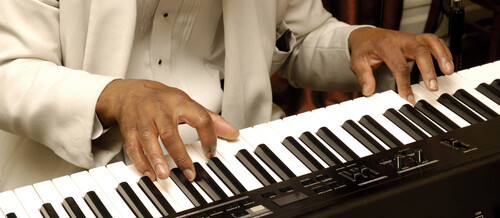
Focal dystonia is an abnormal movement disorder that develops when a person is attempting to perform a specific task such as playing a musical instrument. It shows in the loss of voluntary muscle control while playing an instrument. Focal dystonia can affect any group of muscles in the body including the face, lips, tongue, neck, arms or legs.
Download the Focal Dystonia (PDF) one-page fact sheet.
The day of a performance, I often feel nervous and sometimes skip lunch, only to feel hungry later. Performances are usually in the evening so I know I need to eat something beforehand. Playing extended sets, I rarely get a break. What foods can I eat and at what times to supply me with enough energy to perform well the entire time?
Download the Eating Before Exercise (PDF)