Sports scientists could help musicians and other artists endure the stresses of their craft.
(Inside Science) — They endure long hours of oft strenuous practice. The way to get better is to practice more, even when injured. For hours at a time, their hearts can beat at 65 percent of their maximum rate. Injuries are common, and there’s always someone waiting to take your spot.
Life in the arts can be tough.
(continue to full article text)
Article as featured …
VDC injury prevention from Steven Karageanes on Vimeo.
Velocity Dance Convention brings another health and wellness segment to their dancers! This segment focuses on preventing injuries through proper technique and training. Listen as Velocity Pro Faculty Jennifer Hamilton and Chessa Celaya demonstrate common technique errors and demonstrate ways to keep dancing healthy and strong. Autumn Miller and Shawn O’Malley stop by to help out.
American Academy of Pediatrics: Council on Sports Medicine and Fitness
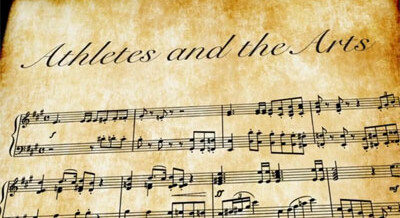
“Athletes and the Arts: Expand Your Influence”
By Randall Dick, FACSM
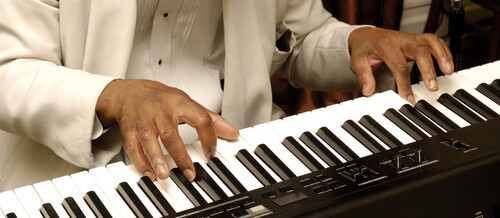
Performing artists are athletes. Just like sport athletes, they
-Practice or perform almost every day
-Play through pain
-Compete in challenging environments
-Experience little “off season”
-Face extreme competition
-Risk the temptation of substance abuse
-Face real risk of career-threatening injury
Read the full article on pages 9-11 of the Fall 2013 COSMF Newsletter from the American Academy …
Athletes and the Arts in collaboration with PAMA (Performing Arts Medicine Association), and New Orleans Musicians’ Clinic & Assistance Foundation have developed a new tool to monitor musicians performance pain. Musicians are strongly encouraged to complete this form to aid in their care.
Performance Pain Symptom Monitor (scroll to the bottom of the page that opens to find the performance pain symptom monitor)
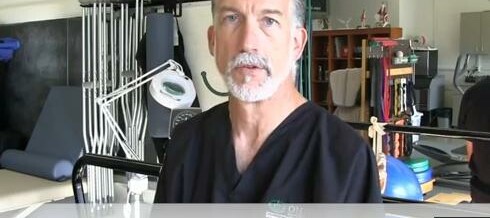
WATCH this video and decide for yourself (click the image to open and play the video)
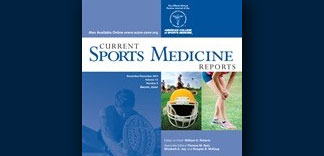
“Athletes and the Arts – The Role of Sports Medicine in the Performing Arts”
Dick, Randall W. MS, FACSM; Berning, Jacqueline R. PhD, RD, CSSD; Dawson, William MD, BS, FAAOS; Ginsburg, Richard D. PhD; Miller, Clay MD, MFA, PMR; Shybut, George T. MD
Published in Current Sports Medicine Reports, November/December 2013, Volume 12, Issue 6, p. 397-403.
Abstract
Performing artists are athletes. Like athletes, performing artists practice and/or perform most days with little off season, play through pain, “compete” in …
From the abstract “Preventing dance injuries: current perspectives” by Dr. Jeffrey A. Russell of Ohio University:
“Dancers are clearly athletes in the degree to which sophisticated physical capacities are required to perform at a high level. The standard complement of athletic attributes – muscular strength and endurance, anaerobic and aerobic energy utilization, speed, agility, coordination, motor control, and psychological readiness – all are essential to dance performance. In dance, as in any athletic activity, injuries are prevalent. This paper presents …
Focal dystonia is an abnormal movement disorder that develops when a person is attempting to perform a specific task such as playing a musical instrument. It shows in the loss of voluntary muscle control while playing an instrument. Focal dystonia can affect any group of muscles in the body including the face, lips, tongue, neck, arms or legs.
Download the Focal Dystonia (PDF) one-page fact sheet.